Diamond Education
Diamond Shapes
Every diamond shape has different brilliance, pricing, and visual proportions. Here's what actually matters when choosing one.
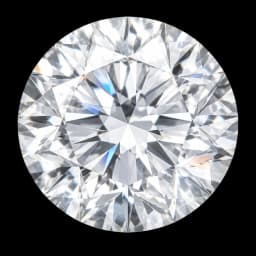
Round Brilliant
The round brilliant is the most popular diamond shape, accounting for roughly 75% of all diamonds sold. Its 58 facets (57 without the culet) are mathematically optimized to maximize light return, fire, and scintillation.
Learn more →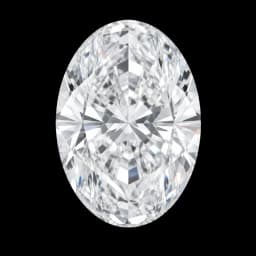
Oval
The oval diamond combines the brilliance of a round brilliant with an elongated silhouette that creates the illusion of greater size. It has surged in popularity over the past decade, becoming the second most requested shape for engagement rings.
Learn more →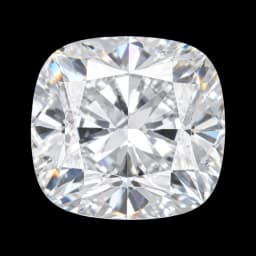
Cushion
The cushion cut features soft, rounded corners with a square or rectangular outline, resembling a pillow. It blends vintage charm with modern brilliance, offering exceptional fire and a distinctive chunky sparkle pattern.
Learn more →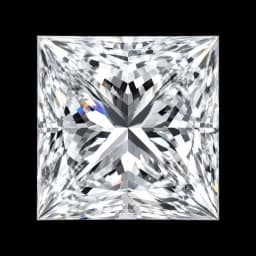
Princess
The princess cut is a square modified brilliant with sharp, uncut corners that deliver exceptional brilliance in a geometric silhouette. It's the most popular non-round shape and offers outstanding value, costing significantly less per carat than rounds.
Learn more →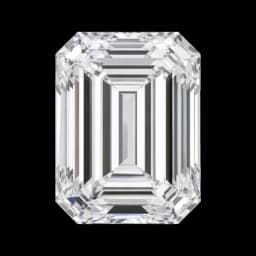
Emerald Cut
The emerald cut is a step-cut diamond with long, parallel facets that produce a dramatic hall-of-mirrors effect rather than the sparkle of brilliant cuts. Its clean lines and open table showcase clarity and color with understated elegance.
Learn more →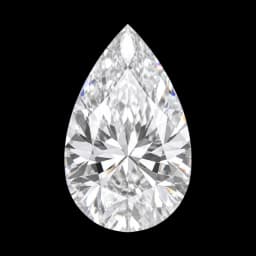
Pear
The pear shape (also called the teardrop) combines a rounded end with a single pointed tip, creating a unique silhouette that elongates the finger. It offers excellent brilliance and a larger face-up appearance than many shapes of equal carat weight.
Learn more →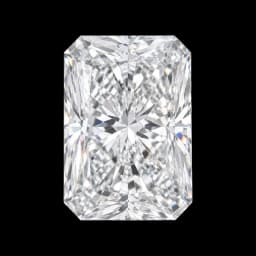
Radiant
The radiant cut combines the elegant outline of an emerald cut with the brilliance of a round brilliant, featuring trimmed corners and a brilliant-style facet pattern. It offers the best of both worlds: geometric lines with exceptional sparkle.
Learn more →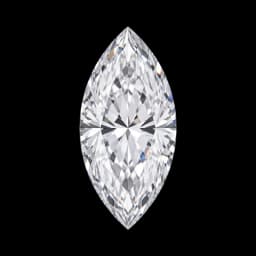
Marquise
The marquise diamond is an elongated shape with pointed ends at both tips, creating a boat-like silhouette that maximizes carat weight for face-up size. Its dramatic outline offers the largest face-up area per carat of any diamond shape.
Learn more →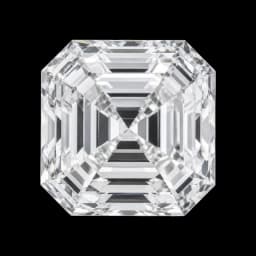
Asscher
The Asscher cut is a square step-cut diamond with deeply trimmed corners that create a distinctive octagonal outline. It produces a mesmerizing concentric square pattern (sometimes called an 'endless hallway' effect) that gives it an Art Deco character unlike any other shape.
Learn more →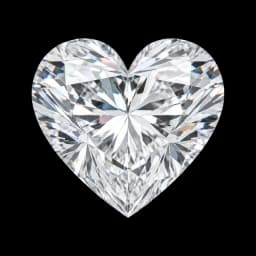
Heart
The heart shape is the ultimate symbol of romance in diamond form, a modified brilliant cut with a distinctive cleft at the top and a point at the bottom. It's one of the most technically demanding shapes to cut well, requiring exceptional symmetry to achieve its recognizable outline.
Learn more →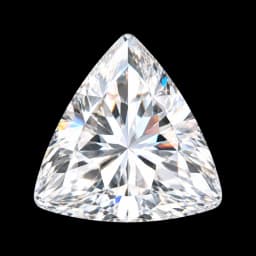
Trilliant
The trilliant (or trillion) is a triangular diamond cut with three equal sides. It delivers striking brilliance from an unconventional shape, used both as a bold center stone and as the go-to side stone pairing for emerald and radiant cuts.
Learn more →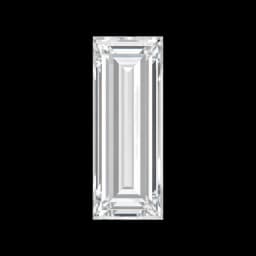
Baguette
The baguette is a narrow, elongated step-cut diamond with sharp 90-degree corners and minimal faceting. It is the most common side stone in fine jewelry, prized for its clean, architectural look that complements virtually any center stone shape.
Learn more →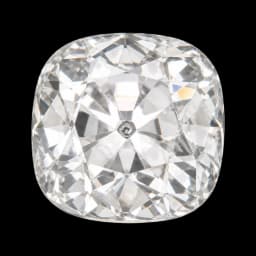
Old Mine Cut
The old mine cut is the predecessor to the modern cushion brilliant, cut by hand before electric tools existed. It features a high crown, small table, large culet, and chunky facets that produce a warm, romantic light pattern entirely different from modern precision cuts.
Learn more →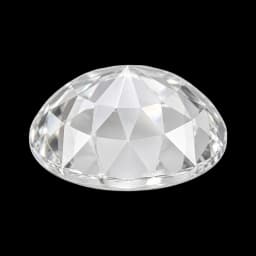
Rose Cut
The rose cut is one of the oldest diamond cuts, featuring a flat bottom and a dome-shaped crown covered in triangular facets. It produces a soft, subtle glow rather than the intense sparkle of modern brilliants, and it has experienced a strong resurgence in contemporary designer jewelry.
Learn more →How to Choose a Diamond Shape
Shape determines how a diamond interacts with light, how large it appears at a given carat weight, and how much you'll pay per carat. Round brilliants cost the most because cutting one wastes 50-60% of the rough stone. Fancy shapes (everything else) typically run 15-40% less per carat.
Beyond price, consider finger coverage. Elongated shapes like oval, marquise, and pear look larger face-up than their carat weight suggests. Square shapes like princess and asscher appear smaller but have more depth.
Need exact dimensions? See how each shape measures at every carat weight.
Diamond Size Chart →